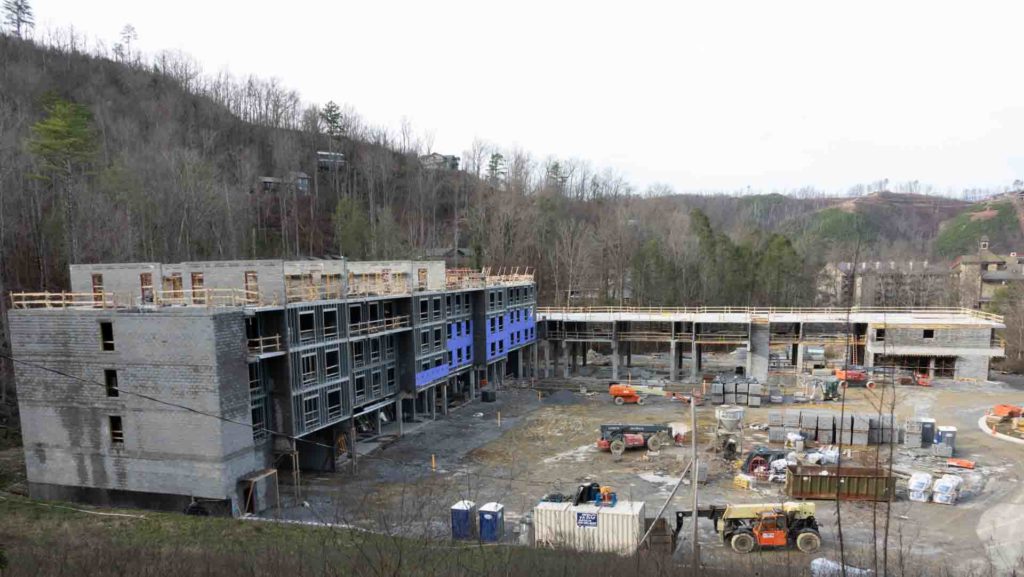
In the rugged landscapes of East Tennessee, the durability of your structure depends entirely on the chemistry of your mix. From the sheer slopes of Gatlinburg to the high-traffic corridors of Pigeon Forge, understanding the specific properties of concrete is vital for any successful build. Whether you are planning steep grade foundations or massive retaining walls in the Smoky Mountains, the right concrete type ensures your project stands the test of time and terrain.
At Sensible Concrete Works, we take the guesswork out of mountain site preparation. We invite you to discuss your specific site plan with our engineering-minded team by calling (865) 365-4086 or by Requesting a Proposal today to ensure your foundation is poured to professional standards.
Key Insights: Concrete Performance in Appalachia
- Mix Design Matters: Not all concrete is created equal; PSI ratings and slump must be tailored to the specific elevation and grade of the site.
- Reinforcement is Key: In Sevier County, seismic considerations and steep grades make reinforced composites a non-negotiable standard for structural integrity.
- Environmental Resilience: High-performance polymers and specialized curing techniques are essential to combat the freeze-thaw cycles of the Smokies.
Technical Navigation
- Plain Concrete: Use Cases for Non-Structural Elements
- Reinforced Concrete: Engineering for Steep Grade Foundations
- Stamped Concrete: Enhancing Aesthetics in Pigeon Forge
- High Density and Polymer Concrete: Industrial and Repair Solutions
- Structural Summary: Compliance and Final Inspection
1. Plain or Ordinary Concrete
Often referred to as “Ordinary Portland Cement” (OPC) concrete, this is the fundamental mix of cement, sand, and aggregate (usually at a 1:2:4 ratio). On our job sites in Sevierville, we typically reserve plain concrete for elements that do not face high tensile stress. While it offers excellent compressive strength, it lacks the flexibility for steep grade foundations where vibrations or soil shifting might occur.
2. Reinforced Concrete (RCC)
This is the backbone of commercial concrete footers across the region. By embedding steel rebar or wire mesh, we create a composite that handles both compression and tension. On our job sites in Gatlinburg, we’ve found that reinforced concrete is the only viable option for managing the hydrostatic pressure exerted on retaining walls in the Smoky Mountains.
3. Asphalt Concrete
Primarily used for road surfacing and large-scale parking lots in Pigeon Forge, this mix swaps traditional cement for bitumen. It provides the flexibility needed for the heavy tourist traffic and the variable weather conditions common to East Tennessee.
4. High-Density Concrete
Utilizing crushed rocks like barytes or magnetite as coarse aggregates, high-density concrete is designed for maximum radiation shielding and fire resistance. While rare in residential builds, it is a technical requirement for specialized secure facilities and specific heavy-industrial mountain site preparation projects.
5. Precast Concrete
Precast elements are cast in a controlled factory environment and transported to the site. This is an excellent solution for Sevier County projects where the terrain makes on-site pouring difficult. We often see this used in bridge girders, culverts, and structural wall panels where precision slump and curing are critical.
6. Stamped (Architectural) Concrete
For homeowners in Gatlinburg looking to blend their property with the natural beauty of the mountains, stamped concrete is the premier choice. By using professional stamping pads and color releases, we can mimic natural stone, slate, or wood, providing the durability of concrete with a high-end aesthetic.
7. Polymer Concrete
To fight the porosity of standard concrete, polymer concrete uses resins (like epoxy) instead of lime-based cement. This results in a material with massive impact strength and resistance to chemicals. We frequently utilize polymer-based overlays for structural repairs to increase the lifespan of existing buildings against the damp climate of the Smokies.
Structural Summary: Final Inspection and Quality Control
Before any Project Closeout, our team conducts a rigorous review of the concrete’s performance. In the mountains, we pay special attention to air-entrainment levels—essential for preventing spalling during winter freezes. A successful Final Inspection verifies that the PSI meets the structural requirements of the site plan and that all commercial concrete footers are seated correctly in the local substrate.
Professional Compliance & References
Our pours are executed in strict accordance with the following regulatory bodies:
- American Concrete Institute (ACI): Standards for mix design and structural reinforcement.
- International Building Code (IBC): Seismic and load-bearing requirements for Sevier County.
- Sevier County Planning Department: Local ordinances regarding steep-slope construction and drainage.
We invite you to discuss your specific site plan with our engineering-minded team by calling (865) 365-4086 or by Requesting a Proposal today to ensure your foundation is poured to professional standards.